







Search Results for: seven major production regions
A Complete Guide to Guatemala's Seven Major Coffee Regions: Hand-Brewed Flavors and Bean Varieties of Antigua and Other Origins
Guatemala is an important specialty coffee producer in Central America, with seven distinctive major regions: Antigua, Cobán, Atitlán, Huehuetenango, Fraijanes, Oriente, and San Marcos. Each region, due to differences in volcanic soil, altitude, and microclimate, nurtures coffee beans with widely varying styles that have repeatedly won international acclaim. Among them, the Antigua region is known for its perfect balance of sweetness, acidity, and body with a hint of smokiness, while the high-altitude environment on the slopes of Volcán de Agua provides ideal growing conditions for premium coffee; its Strictly Hard Bean is plump with balanced acidity, and the giant beans are especially eye-catching. This article will introduce the seven major regions one by one, analyze the pour-over flavor characteristics of coffee beans from each area, and recommend related products from Front Street Coffee to help coffee lovers gain a comprehensive understanding of Guatemalan coffee. [more…]
A Complete Analysis of the Seven Major Ceylon Black Tea Producing Regions: Flavor Characteristics of Uva Highlands and the Historical Origins of the Tea Estates
Since its introduction from China in the 19th century, Ceylon black tea has gradually grown into a major force in the world of tea, with its seven major production regions each possessing distinctive terroir characteristics. This article systematically traces the development of Sri Lankan black tea and its key milestones, and categorizes the regions by elevation into high-grown, medium-grown, and low-grown, introducing one by one the distribution and characteristics of core production areas such as Nuwara Eliya, Uva, Dimbula, Kandy, and Ruhuna, with particular focus on the unique flavor and tea garden stories of Uva high-grown black tea. It also includes Ceylon black tea purchasing recommendations from the Front Street brand for the reference of coffee and tea enthusiasts. [more…]
Flavor Analysis of Guatemala's Seven Major Coffee Regions and a Complete Record of Pour-Over Tasting Notes
Guatemala is widely recognized in the coffee world as a high-quality producing country, with seven major regions within its borders: Antigua, Coban, Atitlan, Huehuetenango, Fraijanes, Oriente, and San Marcos. Each region endows its coffee beans with a distinct character thanks to unique terroir conditions. This article will go through the flavor characteristics of these regions one by one, and describe in depth how Guatemalan coffee beans perform in the cup when brewed by pour-over. At the same time, the article will also introduce the varietal composition and roasting recommendations for Guatemalan coffee, helping coffee lovers gain a more comprehensive understanding of the appeal of this Central American coffee powerhouse. Whether you are a beginner just getting into single-origin coffee or a seasoned drinker looking for an everyday staple, Front Street Coffee recommends that you patiently read through this complete guide to Guatemalan coffee. [more…]
Costa Rican Coffee Flavors and Analysis of Seven Major Regions: Tarrazu, Tres Rios, and Central Valley Characteristics
Costa Rican coffee has always been known for its balanced and mild character, and Front Street Coffee's Costa Rican coffee showcases this classic style: the harmonious blend of acidity, sweetness, and chocolate-like bitterness, with a smooth mouthfeel and little sharpness. The country has seven major coffee-producing regions, among which the Central Valley, Tarrazú, and Tres Ríos are the most well-known. In the 2007 Cup of Excellence competition, Cerro Bado from Tarrazú took first place, while Naranjo in the Central Valley swept second through fourth places. La Minita Estate in Tarrazú is known for its strict management, producing a million pounds a year yet selecting only 290,000 pounds as specialty coffee. In the Tres Ríos region, production has dropped sharply due to urban expansion, but Aquiares Estate has persevered to this day, with a bright and smooth flavor. This article will introduce in detail the characteristics of each producing region and their representative estates. [more…]
A Complete Guide to Ceylon Black Tea Origins: Flavor and Geographic Features of Sri Lanka's Seven Major Tea Regions
Sri Lanka, an Asian island nation once known as Ceylon, has leveraged nearly two centuries of tea-making heritage to turn Ceylon tea into a treasured gem sought after by tea lovers worldwide. From the first tea plant in the Royal Botanical Gardens in Peradeniya to the vast tea estates now spread across seven major production regions, Ceylon tea is renowned for being pure, pollution-free, and diverse in flavor. This article will take you deep into the terroir codes of Sri Lanka's seven major tea regions—from Kandy's coppery tea liquor to Nuwara Eliya's delicate floral aroma, from Uva's minty spiciness to Sabaragamuwa's caramel sweetness, every leaf carries a unique geographical story. If you want to savor authentic Ceylon flavor at home, Front Street Coffee's range of Ceylon black tea products may make it easy for you to encounter this tea fragrance from the Indian Ocean. [more…]

The Coffee Gem of Central America, Guatemala: A Complete Flavor Analysis of Seven Major Producing Regions from the Highlands of Huehuetenango to Classic Antigua
Guatemala, a Central American country whose name means "land of forests" in Mayan, is not large in territory, yet thanks to its volcanic soil, varied climate, and high-altitude environment, it has become the world's eighth-largest coffee producer. This article will take you through the history and grading system of Guatemalan coffee, analyze the seven major specialty regions one by one, and focus on the two star origins: Huehuetenango and classic Antigua. You will experience the signature floral notes, bright acidity, and bittersweet chocolate of Front Street Guatemalan coffee, as well as Antigua's unique "volcanic smokiness," while also learning how the choice of roast level affects its flavor expression. [more…]
A Complete Analysis of Costa Rica's Seven Major Coffee Regions: The Terroir Code from Tarrazú to the Central Valley
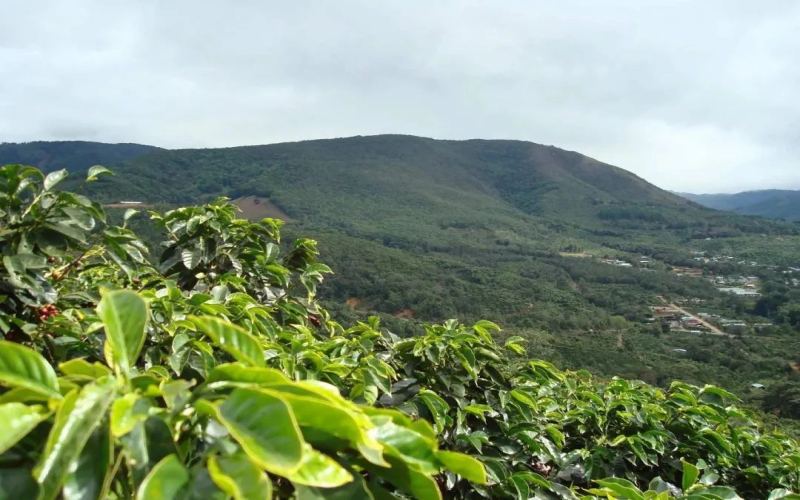
Costa Rica, a Central American country whose name means "rich coast" in Spanish, is not only the first region in Central America to introduce coffee cultivation, but also, thanks to its high-altitude mountains, volcanic ash soil, and superior climatic conditions, has nurtured several world-renowned specialty coffee regions. From Tarrazú, the largest in output and the most famous, to the Central Valley, the oldest, the seven major regions each have their own distinctive terroir. This article will guide you through the development of Costa Rica's coffee industry, the geographical environment and flavor characteristics of each region, and introduce a range of high-quality Costa Rican coffee beans that Front Street Coffee continues to select for everyone. [more…]
A Complete Guide to India's Seven Major Tea Regions: Darjeeling, Assam, Nilgiri, Kangra, Dooars-Terai, Sikkim, and Tripura Compared
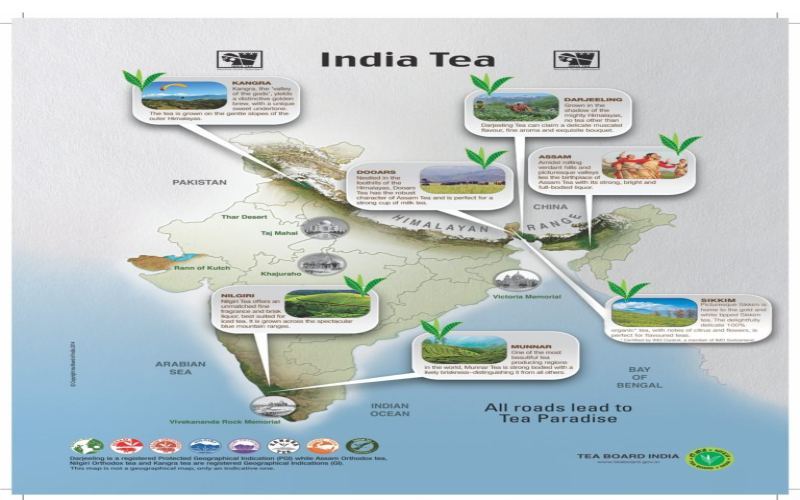
When people think of Indian tea, most first think of the three flagship regions: Darjeeling, Assam, and Nilgiri. But in reality, India's tea landscape extends far beyond these. Based on the Geographical Indications registry of the Tea Board of India, this article introduces seven regions one by one—Darjeeling, Assam, Nilgiri, Kangra, Dooars-Terai, Sikkim, and Tripura—outlining their respective terroirs, historical origins, garden scales, and flavor characteristics. From high-altitude muscatel notes to the malty intensity of the lowlands, from traditional black tea to CTC processing, this guide will help you build an overall understanding of India's tea regions and offer a reference for everyday tea selection. Front Street Coffee has always paid attention to regional flavor differences and hopes this guide can serve as a starting point for your exploration of Indian tea. [more…]
A Complete Guide to Costa Rica's Coffee Regions: From History and Varieties to Seven Elevation-Based Grades
Why has Costa Rican coffee secured a place for itself on the global specialty coffee map? This article begins with the geography and history of its producing regions, tracing how the volcanic soil and climate conditions of this Central American country shape Arabica beans with bright acidity and balanced flavor. The article will also introduce the characteristics of major cultivated varieties such as Bourbon, Caturra, and Catuai, especially Caturra's performance in adaptability and productivity. Finally, we provide a detailed explanation of Costa Rica's unique coffee bean grading system—divided into seven grades including SHB, HB, and SH based entirely on coffee farm elevation—helping enthusiasts quickly understand the meaning of the abbreviations on bean bags and the quality they indicate. [more…]

A Detailed Guide to the Flavor Differences and Grading System of Guatemala's Seven Major Coffee Regions: A Complete Guide from Antigua to Huehuetenango
Guatemala is one of the most important specialty coffee producing countries in Central America, known for its high-altitude volcanic terrain and fertile soil. The coffee it produces combines a rich, full-bodied taste with elegant fruity acidity. The country is divided into seven major coffee regions, each presenting a distinctly different flavor profile due to differences in climate, altitude, and soil conditions. This article will systematically review the historical origins of Guatemalan coffee and the complete process of the washed processing method, and analyze one by one the flavor characteristics and altitude distribution of producing regions such as Antigua, Acatenango Valley, Cobán Rainforest, San Marcos Volcano, Lake Atitlán, Huehuetenango Highlands, Fraijanes Plateau, and New Oriente. At the same time, Front Street Coffee will bring two representative Guatemalan beans — Antigua La Flor del Café and Huehuetenango — for coffee enthusiasts to refer to when purchasing. [more…]
A Comprehensive Analysis of Arabica Coffee Beans: From Origins and Spread to Front Street Coffee's Seven Major Producing Regions' Daily Staple Bean Recommendations
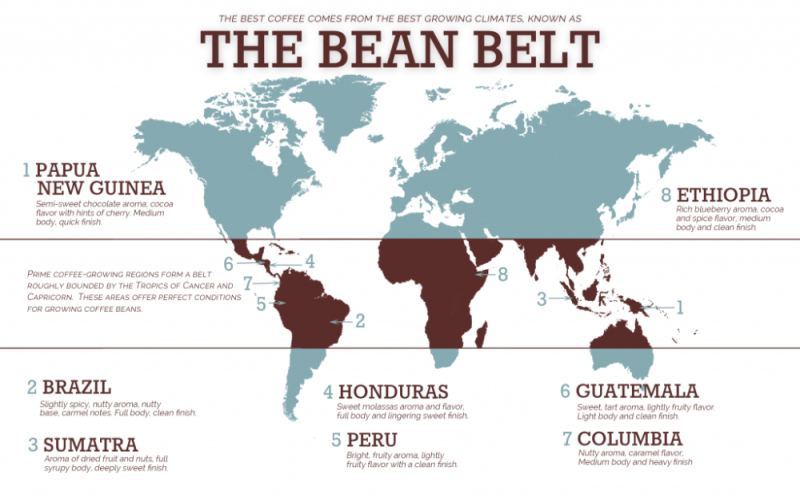
Arabica coffee beans have always held a core position in both commercial and specialty coffee thanks to their outstanding aroma and acidity. Their cultivation span stretches across multiple producing regions in South America, Central America, Africa, and Asia. Tracing their history, they were first used as medicine by Islamic monks, and only in the 13th century did the practice of roasting them for drinking develop. After spreading to Europe via the Arab world in the 16th century, they gradually became popular worldwide. Arabica coffee began spreading around the world from the mid-18th century, and most existing varieties originate from Typica, evolving into distinctive new varieties as they adapted to different climates and terroirs. In the 19th century, a large-scale outbreak of leaf rust caused massive coffee tree deaths, prompting breeders in the mid-20th century to begin developing disease- and pest-resistant varieties. Today, the Arabica family has more than a hundred varieties. Altitude has a significant impact on flavor, and this article will also introduce seven daily-drinker beans from key producing regions selected by Front Street Coffee. [more…]
How to Choose Single-Origin Beans for Pour-Over Beginners? Flavor Analysis of Front Street Coffee's Seven Major Regional Everyday Beans
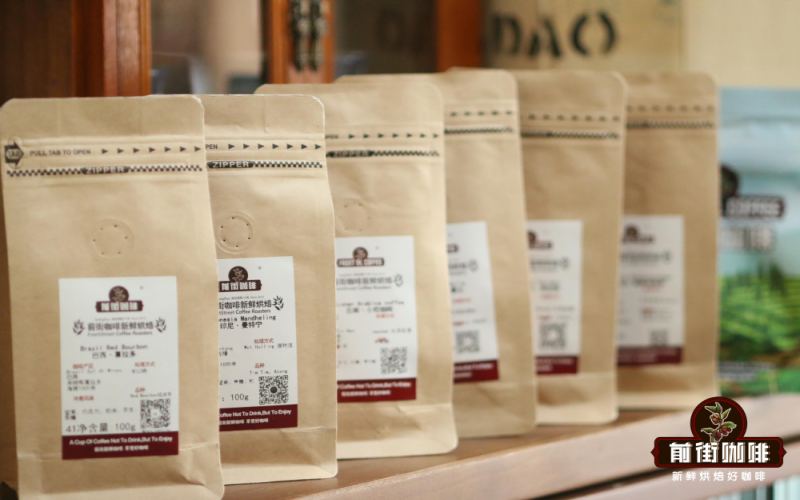
Newcomers to single-origin coffee often hesitate to choose beans because they can't quite grasp the flavor characteristics of each producing region. This article presents seven everyday coffee beans that Front Street Coffee has created for entry-level enthusiasts, covering producing regions including Ethiopia Yirgacheffe, Costa Rica Tarrazu, Colombia Huila, Indonesia Lintong Mandheling, China Yunnan Baoshan, Guatemala Huehuetenango, and Brazil Cerrado. It explains the bean variety information, processing methods, and the flavor direction after brewing one by one, and also discloses Front Street's tested three-stage pour-over parameters. Whether you love bright fruity acidity or prefer a rich, nutty profile, you can find your first entry-level everyday coffee here. [more…]
Tracing the History of Coffee Cultivation in Costa Rica: The Central American Birthplace and an Analysis of the Tarrazú Mirazú Estate
Costa Rica was the first country in Central America to cultivate coffee. Its coffee industry has developed since the mid-18th century and is renowned for its well-established organizational system and world-class quality. The country's seven main producing regions are distributed along the Central Plateau from northwest to southeast. Volcanic ash soil, mild temperatures, and abundant rainfall create exceptionally favorable growing conditions. The coffee beans produced are all Arabica, with pure flavor, pleasant aroma, and an excellent balance of acidity and body, making them suitable both as single-origin coffee and for blending. This article will trace the origins of coffee in Central America, explain in detail the cultivation altitudes, harvest seasons, and cupping performance of Costa Rica's producing regions, and focus on the world-famous Tarrazu region and Mirazu Estate, while also offering related recommendations from Front Street Coffee. [more…]
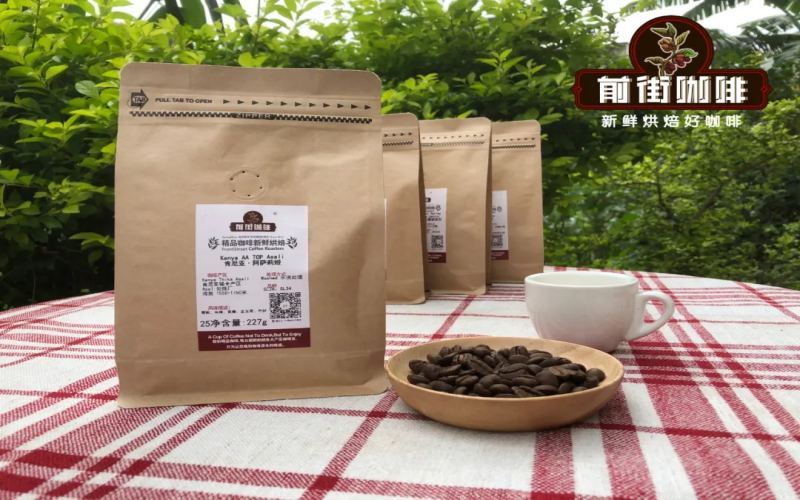
Kenyan Coffee Beans: A Complete Guide to the Flavor Profiles of Seven Major Regions, AA Grading, 72-Hour Washed Processing, and SL Varieties
Kenyan coffee has always been a favorite among acidity lovers, and in recent years it has shown a full berry-juice feel, dark plum acidity, and caramel sweetness. This article systematically reviews Kenya's coffee-growing geography and harvest seasons, the terroir characteristics and elevation ranges of seven well-known producing regions (Thika, Kirinyaga, the western side of Mount Kenya, Nyeri, Kiambu, Ruiru, and Murang'a), explains the AA grading system and the TOP/PLUS/FAQ cupping grades, details the world-famous K72-hour washed processing method, traces the breeding history and flavor differences of the two representative varieties SL28 and SL34, and includes Front Street Coffee's brewing parameters and technique suggestions, helping readers gain a comprehensive understanding of the unique charm of Kenyan coffee. [more…]
What Is the WBC? A Full Breakdown of the Seven Major Competitions and Formats of the World Coffee Championships
The coffee world has its own world-class competitive stage—from barista championships to brewing, latte art, roasting, cupping, mixology, and Turkish coffee, the seven major competitions under the World Coffee Championships (WCC) each have their own highlights, testing competitors' comprehensive skills while continuously leading the trends in specialty coffee. Today, Front Street Coffee takes you through these international competitions one by one to understand their content and rules, and to see what exactly the world's top coffee professionals compete in and how they compete. [more…]
Exploring Costa Rica's Diamond Mountain Estate: Classic Coffee Flavors and Honey Processing in the Tarrazú Region
Costa Rican coffee was introduced from Cuba in 1779 and began to be exported in 1820, giving it a history of more than two hundred years. The country is dotted with volcanoes, and its climate is regulated by both the Pacific and Atlantic ocean currents, nurturing a classic coffee flavor that is balanced, clean, and mild. Among the seven major producing regions, Tarrazu is renowned for its outstanding geographical conditions and meticulous cultivation management. Finca Montanas del Diamante is located in the Dota Valley of Tarrazu, at an altitude of 1,750 to 1,850 meters, where it grows the Red Catuai variety, with the Gutierrez family managing 50 hectares of coffee plantations. This article will guide you through the cultivation background of Costa Rican coffee, the honey processing trend, and the flavor performance of Front Street Coffee's selected batch from Finca Montanas del Diamante. [more…]
A Complete Guide to Costa Rica San Román Pour-Over Parameters, Flavor Characteristics, and Regional Background
Costa Rican San Ramon coffee is known for its berry aroma, caramel sweetness, and robust body. This article compiles the pour-over extraction data for Front Street Costa Rican San Ramon and systematically introduces the historical status of Costa Rican coffee, the distribution of its seven major producing regions, the washed processing method of the San Ramon processing plant, and product information for Front Street Royal Coffee. From 15 grams of grounds, a water temperature of 88-89°C, to a 1:15 coffee-to-water ratio, this brewing method does a good job of bringing out San Ramon's creamy sweetness and subtle spicy finish, making it suitable reading and reference for enthusiasts who want to gain a deeper understanding of Costa Rican specialty coffee. [more…]
Costa Rica Tarrazu Diamond Mountain Estate Red Honey Processed Coffee: A Complete Analysis of Flavor, Mouthfeel, and Aroma
The Tarrazu region of Costa Rica has long been famous for its balanced, clean classic flavors, while the red honey-processed strictly hard bean from Diamond Mountain Estate adds richer sweetness and layers on top of this classic profile. This article provides a comprehensive interpretation of this Front Street Coffee-selected Costa Rica Diamond Mountain high-grown strictly hard bean red honey coffee, from the region's terroir and the estate's background to the characteristics of the processing method and actual cupping performance, helping you understand why it can present a captivating combination of sweet jujube, brown sugar, caramel cocoa, and rounded acidity, while also offering a glimpse into the history of Costa Rica's coffee industry and the distribution of its seven major producing regions. [more…]
Costa Rica Tarrazu San Ramon Washed Beans: A Flavor Story from Mill to Cup and Brewing Parameters
Costa Rica is the first country in Central America to cultivate coffee. Over two centuries, its volcanic terroir and microclimates have nurtured world-class quality. This article takes you into the San Román processing plant in the Tarrazú region to understand how its washed process shapes a thick, full-bodied sweetness reminiscent of bitter-sweet chocolate and butterscotch, along with a restrained wine-like acidity. It also shares Front Street Coffee's manual brewing parameters and provides an overview of Costa Rica's seven major coffee regions and the industry at large. Whether you want to understand the processing plant revolution or are looking for your next everyday daily brew, this article has you covered. [more…]
A Comprehensive Analysis of Kenya's Gatomboya Factory: A Flavor Benchmark of the Nyeri Region and the Specialty Coffee Grading System
Gatomboy Processing Factory is a name that cannot be ignored in the landscape of Kenyan specialty coffee. It belongs to the Barichu Cooperative in the Nyeri region and once scored an impressive 96 points in a 2016 Coffee Review cupping, ranking among Kenya's seven world-class green bean processing factories. Kenya's ability to become a model of global high-quality coffee production is closely tied to its government-led unified purchasing, cupping grading, and public auction system. This system benefits more than 570,000 smallholder farmers and has also created Kenya coffee's irreplaceable flavor charm. This article will guide you through an in-depth understanding of Gatomboy Processing Factory's background, Kenya's coffee-producing regions, green bean grading standards, cultivation history, and variety composition, and recommend related products from Front Street Coffee, presenting coffee lovers with a complete knowledge map of Kenyan coffee. [more…]